
Introduction: The End of the Minimalist Era
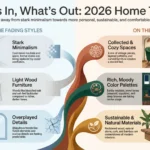
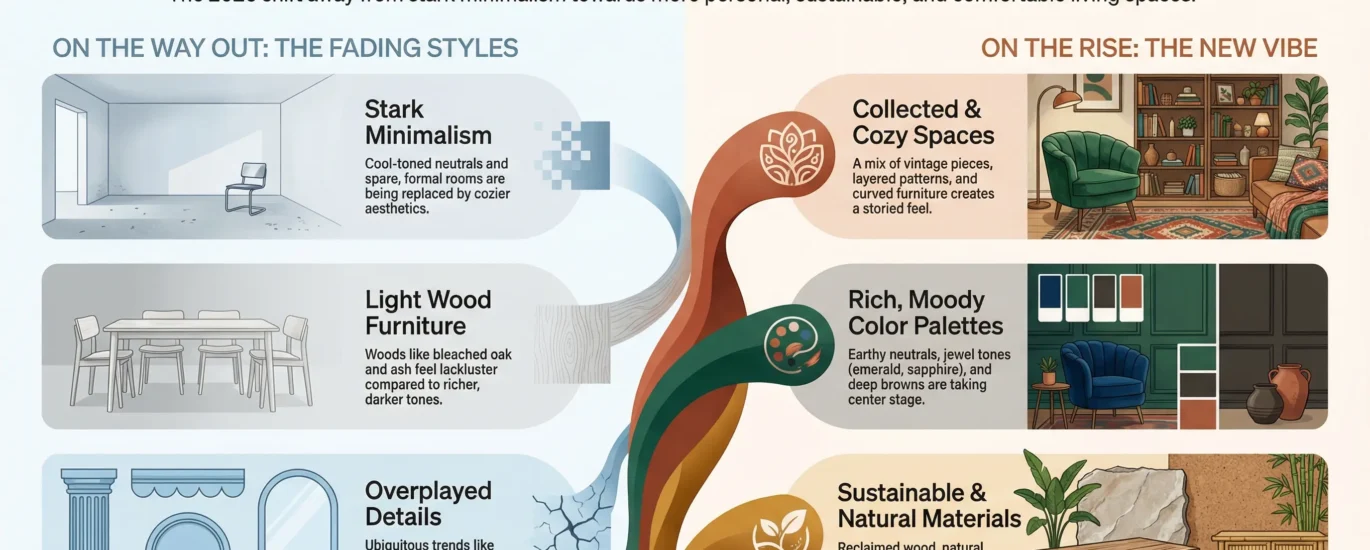
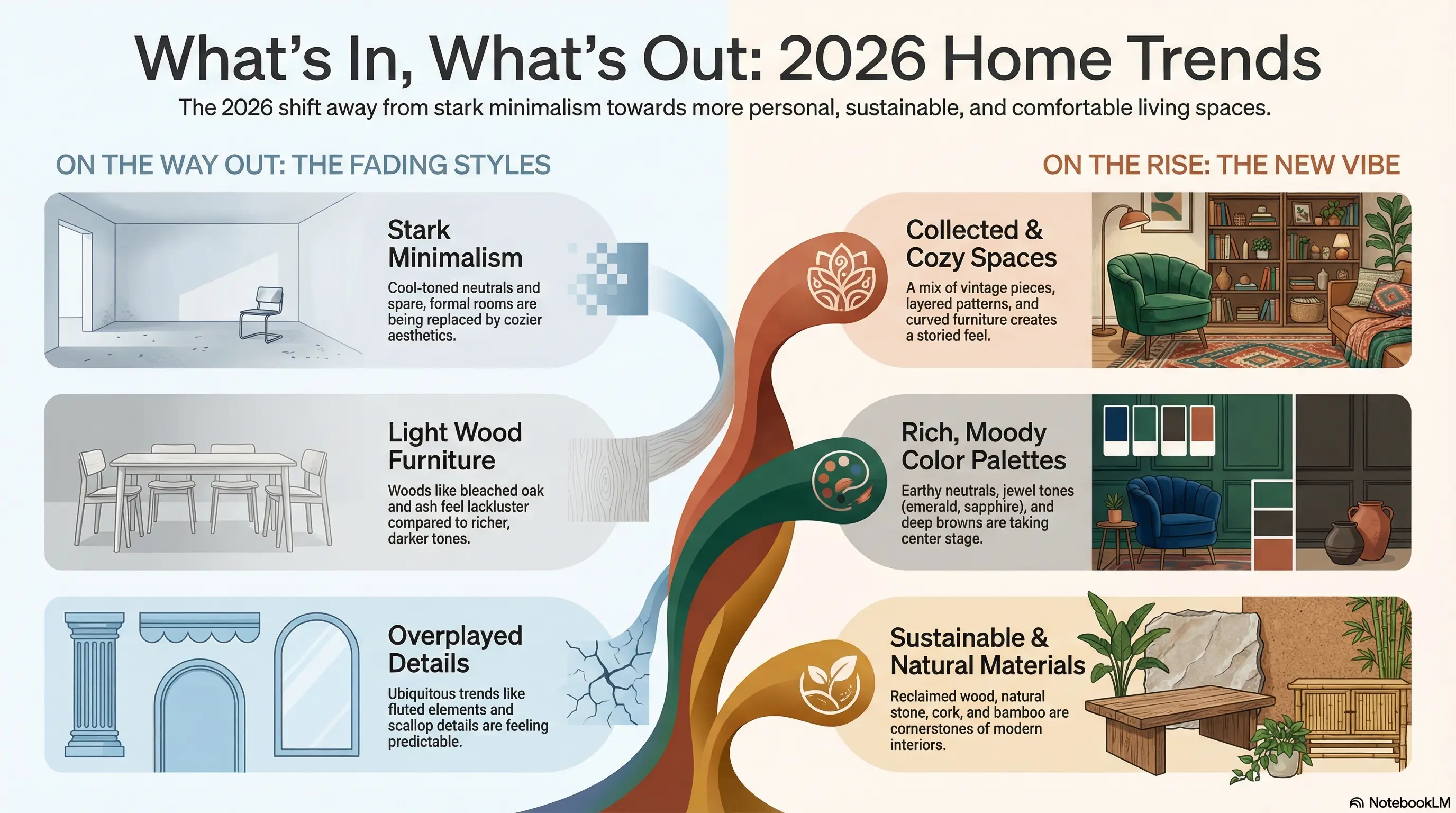
For years, the design world has been dominated by the quiet reign of stark minimalism, cool-toned neutrals, and impeccably clean lines. But as we look toward 2026, a significant change is underway. We are collectively shifting our focus from spaces that look untouched to spaces that feel deeply lived-in, cozy, and personal.
The upcoming trends signal a move away from rigid perfection and toward the beautiful, comfortable chaos of a home filled with personality. It’s about creating interiors that tell a story, provide comfort, and truly reflect the people who inhabit them.
“Houses are becoming homes again.” – Alex Thies, Owner & Creative Director at Adelyn Charles Interiors
Five Surprising Design Shifts for 2026
“More is More”: Why Personality is Replacing Perfection
The major aesthetic shift for 2026 is a definitive move away from minimalism and toward a thoughtful maximalism. This trend manifests through vibrant colors, rich patterns, eclectic design, and a diverse mix of textures. It’s an approach that encourages homeowners to make a statement and tell a story through their design choices.
While “pattern drenching”—covering an entire room in a single print—gained popularity in 2025, the trend is evolving. The new focus is on mixing curated patterns to create a layered look that feels “collected over time.” This extends beyond walls to furniture, with a significant comeback of embellished pieces. The revival of vintage prints is ushering in a style that is casual yet luxurious, embodying lived-in comfort with a vintage flair on everything from sofas to accent chairs.
2. The New Neutrals Aren’t Colors, They’re Textures
While warm, earthy neutrals remain a popular foundation, the new way to create a layered and soulful space is by focusing on texture. In 2026, texture is becoming the new neutral, adding depth and dimension where color once dominated.
Designers are achieving this through a variety of finishes and materials, including:
- Textured walls: Finishes like lime wash, plasterwork, stucco, rough concrete, and 3D wall panels are being used to add originality and depth.
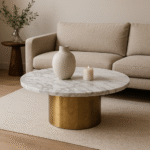
- Natural materials: Accents made from natural stone like marble and granite are being incorporated in new ways, alongside raw materials like ironstone and reclaimed wood.
- Hand-crafted objects: The unique forms and finishes of items like hand-thrown ceramic vessels contribute to a room’s tactile quality.
This approach is a direct response to the understanding that a neutral room without tactile finishes, soulful objects, and collected layers falls flat. The true style is in the crafted, textured accents that add dimension where color once dominated.
3. Welcome to the Dark Side: Moody Hues Are Taking Over
Contrasting sharply with the light and airy palettes of previous years, 2026 welcomes the return of dark, moody colors. These rich, saturated hues create spaces that feel dramatic, cozy, and deeply personal. The key moody colors taking center stage are chocolate brown, deep burgundy, and atmospheric teal.
The collective craving for these shades is clear. According to the annual 1stDibs Designer Trends Survey, brown is the top color that designers anticipate using in 2026. This move toward more evocative palettes is a direct reaction to our current cultural moment.
‘Against a backdrop of global uncertainties, digital fatigue and algorithm-led sameness, 2026 will be all about colour that makes us feel.’ – Chloe Frost, trends editor at Stylus
These palettes satiate a need for more sensory stimulation away from our devices and reflect a growing appreciation for the restorative power of darkness. Each color evokes a distinct feeling: burgundy brings a sense of drama and romance, while deep teal offers a calming connection to nature.
4. Out with the New: The Rise of Vintage, Reclaimed, and Hand-Crafted Pieces
There is a growing rejection of “fast furniture” and mass-produced, “builder-grade basics.” Consumers and designers alike are prioritizing pieces that have history, character, and a unique story. This reflects a major shift in mindset, favoring personal expression, heritage, and narrative over resale value or simply having “what their friends have.”
This single idea encompasses several related movements:
- Vintage and antique pieces: Items with a past bring a sense of romance and a collected character that can’t be replicated. This includes a return to richer, darker wood species like walnut and mahogany, which feel warm and storied compared to the lighter woods of recent years.
- Hand-crafted pieces: Artisan-made ceramics, textiles, and custom furniture offer authenticity and a way to support craftsmanship. These unique objects add personality and meaning to a space.
- Sustainable and reclaimed materials: As environmental consciousness grows, materials like reclaimed wood, cork, bamboo, and recycled glass are becoming cornerstones of modern design. These choices are not only eco-friendly but also bring natural warmth and texture into the home.
Together, these trends create interiors that are unique, environmentally mindful, and built to last.
5. Your Smart Home Is About to Disappear
Home technology is evolving from overtly “techy” gadgets to discreet, seamlessly integrated systems. The goal for 2026 is for technology to enhance comfort and convenience without dominating a room’s aesthetic or sacrificing style. This is the era of the “discreet smart home.”
The guiding principle is to ensure technology complements the space rather than allowing it to dominate, blending advanced functionality with traditional design in a wholly mindful way. Voice-activated spaces are becoming the norm, with examples of this disappearing act including:
- Built-in speakers that are heard but not seen.
- Smart lighting systems designed to complement the interior design.
- Hidden, voice-activated systems that control temperature, lights, and entertainment without a single visible interface.
This evolution is the next logical step in creating harmonious living spaces that are both truly modern and aesthetically pleasing.
Conclusion: Designing Your Story
The overarching theme for 2026 is clear: our homes are becoming deeply personal sanctuaries. The shift is away from staged perfection and toward spaces that are comfortable, expressive, sustainable, and filled with character. We’re embracing rich colors, tactile textures, and unique pieces that tell a story. Technology is becoming a silent partner, enhancing our lives without intruding on our style.
As we move beyond one-size-fits-all design, what story will your home tell in the year ahead?